

Exciting News — We’re Moving Just Across the Street!
We are thrilled to announce that our clinic is moving from our current location at 65 Baldwin Street North to a beautiful new space at 72 Baldwin Street North, in collaboration with The Way Street Pharmacy. While our address is changing, we are staying right in the same convenient neighborhood just across the street from our current location. This move marks an exciting new chapter for our clinic and, most importantly, for our patients. Our new space has been thoughtfully designed to provide: A more modern and welcoming environment Improved patient comfort and accessibility Significantly more parking and easier access for patients Closer collaboration with pharmacy services Enhanced efficiency and continuity of care Greater opportunities to expand services and patient support By partnering alongside The Way Street Pharmacy, we are creating a more connected healthcare experience that allows us to better support the needs of our community with greater convenience and access. We want to reassure all patients that: Our team remains the same Our commitment to personalized, compassionate care remains unchanged We are still located in the heart of the same community you know and trust Patients will benefit from substantially increased parking availability at the new location We are incredibly excited to welcome you into our updated space and continue providing the high level of care you expect from us now in an even better environment. Thank you for being part of our clinic family. We look forward to seeing you at our new home at Unit 106 – 72 Baldwin Street North!
Is IV Vitamin Therapy Safe? What You Need to Know?
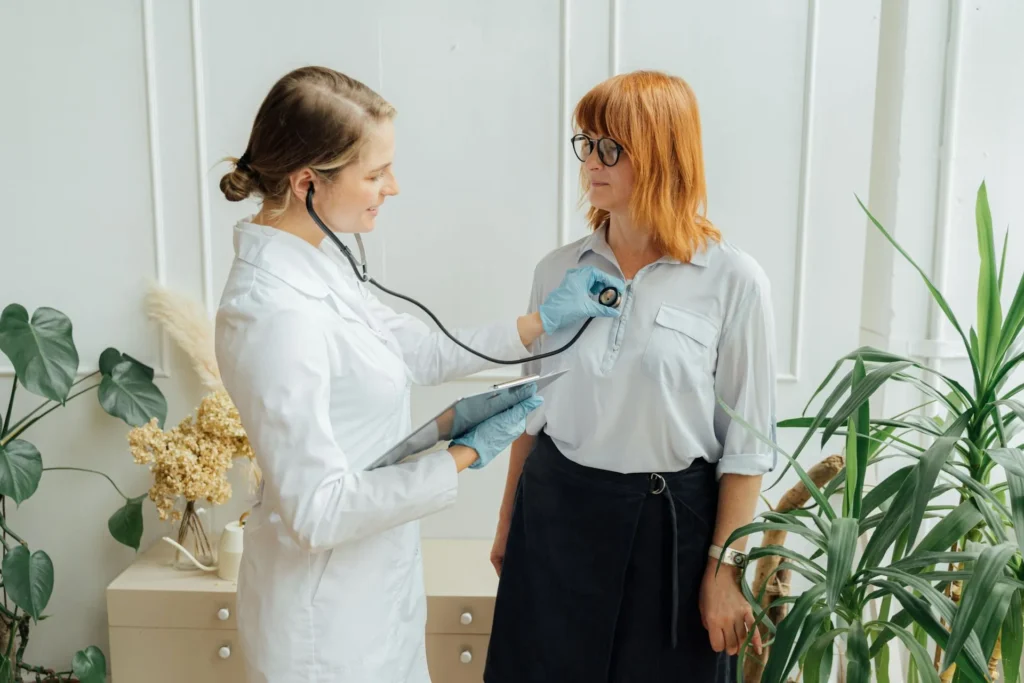
IV vitamin therapy has become more popular as people look for faster and more effective ways to support their health. Instead of taking supplements by mouth, nutrients are delivered directly into the bloodstream. This can sound appealing, especially for those dealing with fatigue, low immunity, or nutrient deficiencies. But a common question still comes up how safe is it? At NP Health Clinic™, IV therapy is used as a medical treatment, not just a wellness trend. Understanding how it works, who it is for, and what to expect can help you make an informed and confident decision about your care. What Is IV Vitamin Therapy and How Does It Work? IV vitamin therapy is a treatment where vitamins, minerals, and fluids are delivered directly into your bloodstream through a small IV line. This method bypasses the digestive system, allowing nutrients to be absorbed more quickly and in higher amounts. A vitamin c iv drip is one of the most commonly used treatments, often selected to support immune function and reduce inflammation. At NP Health Clinic™, each IV treatment is carefully planned based on your health needs. Before starting therapy, patients are assessed to determine which nutrients are appropriate and in what amounts. This personalized approach helps ensure that the therapy is both safe and effective. Unlike oral supplements, IV therapy allows for more precise dosing and faster results, especially for individuals with absorption issues. Is IV Vitamin Therapy Actually Safe? IV vitamin therapy is generally safe when it is provided by trained medical professionals in a controlled setting. Safety depends on proper assessment, correct dosing, and sterile procedures. At NP Health Clinic™, treatments are administered by qualified providers who monitor patients throughout the process, reducing the risk of complications. However, like any medical treatment, there are some risks if it is not done properly. These can include infection at the injection site, irritation of the vein, or receiving incorrect nutrient levels. This is why it is important to choose a trusted clinic that follows strict medical guidelines. When done correctly, IV therapy is considered a safe and effective option for many patients. Understanding the Benefits of IV Vitamin Therapy One of the main reasons people choose IV therapy is for its fast and noticeable effects. Because nutrients go directly into the bloodstream, the body can use them immediately. This is especially helpful for individuals with fatigue, dehydration, or weakened immune systems. Many patients report feeling more energized and refreshed after treatment. There are also specific benefits linked to certain nutrients. For example, vitamin c iv benefits include supporting immune health, reducing oxidative stress, and helping the body recover from illness. At NP Health Clinic™, these benefits are approached from a clinical perspective, ensuring that treatments are used appropriately and not as a one-size-fits-all solution. Who Can Benefit From IV Vitamin Therapy? IV vitamin therapy can be helpful for a wide range of individuals, but it is not meant for everyone. It is often recommended for patients with nutrient deficiencies, chronic fatigue, or conditions that affect absorption in the gut. It may also support recovery during illness or periods of high stress. At NP Health Clinic™, patients are carefully evaluated before starting therapy. This ensures that IV treatment is suitable for their specific condition. For example, a vitamin d iv therapy may be considered for individuals with low vitamin D levels, especially when oral supplements are not effective. This personalized approach helps improve outcomes and ensures safe use of the therapy. What Happens During an IV Therapy Session? An IV therapy session is a simple and comfortable process. A small needle is used to place a catheter into a vein, usually in the arm. Once the IV is set up, the nutrient solution flows slowly into your bloodstream. Most sessions last between 30 to 60 minutes, depending on the type of treatment. At NP Health Clinic™, patients are monitored during the entire session to ensure comfort and safety. Many people use this time to relax, read, or simply rest. The process is designed to be calm and stress-free, making it easy to fit into your routine while receiving medical-grade care. Possible Side Effects and Risks Although IV vitamin therapy is generally safe, some patients may experience mild side effects. These can include slight bruising at the injection site, a cool sensation in the arm, or mild discomfort during the insertion. These effects are usually temporary and resolve quickly. More serious complications are rare but can occur if the therapy is not administered properly. This is why receiving treatment at a professional clinic like NP Health Clinic™ is important. Proper screening, sterile techniques, and ongoing monitoring all play a role in minimizing risks and ensuring a safe experience for every patient. When IV Therapy May Not Be Recommended While IV therapy can offer many benefits, there are situations where it may not be the best option. Patients with certain medical conditions, such as kidney issues or heart problems, may need to avoid or modify treatment. This is why a full medical assessment is essential before starting therapy. At NP Health Clinic™, safety is always the priority. If IV therapy is not suitable, alternative treatment options are discussed. This ensures that patients receive care that is both effective and appropriate for their individual health needs, rather than following a general or trend-based approach. Key Things to Consider Before Starting IV Therapy Before choosing IV vitamin therapy, it is important to understand what to expect and how to prepare. Making informed decisions can help you get the most benefit from your treatment. Choose a medically supervised clinic Ensure a proper health assessment is done Understand the purpose of your IV treatment Ask about the ingredients and dosage Be aware of possible side effects Follow aftercare instructions At NP Health Clinic™, these steps are part of the standard process, helping patients feel confident and informed about their care. A Calm and Supportive Treatment Experience The
How Cold Laser Therapy Helps Reduce Pain Without Medication?

Pain can affect daily life in ways that are hard to ignore. For many people, the first option is medication, but not everyone wants to rely on pills for relief. Some are concerned about side effects, while others are looking for a more natural approach to healing. This is where cold laser therapy offers a different solution. At NP Health Clinic™, this treatment is used to help reduce pain, support recovery, and improve function without the need for medication. Understanding how it works can help you decide if it is the right option for your health needs. What Is Cold Laser Therapy and How Does It Work? Cold laser therapy, also known as low-level laser therapy, uses light energy to stimulate healing in the body. Unlike surgical lasers, this treatment does not cut or burn tissue. Instead, a cold laser therapy device delivers low levels of light that penetrate the skin and reach damaged cells. This light energy helps improve cellular function and encourages the body to repair itself more efficiently. At a cellular level, the therapy increases energy production within the cells, which supports faster healing and reduces inflammation. This process also improves blood flow to the affected area, allowing oxygen and nutrients to reach tissues more easily. At NP Health Clinic™, this method is used to treat a variety of conditions, offering a safe and non-invasive option for patients looking to manage pain naturally. How Cold Laser Therapy Reduces Pain Without Medication One of the main benefits of cold laser therapy is its ability to reduce pain without the use of drugs. The light energy works by decreasing inflammation and calming irritated nerves. This makes it especially helpful for conditions where pain is caused by swelling or tissue damage. Over time, the therapy helps the body heal in a way that reduces the need for medication. At NP Health Clinic™, patients often choose this treatment because it addresses the source of pain rather than just masking symptoms. Instead of relying on temporary relief, cold laser therapy supports long-term healing. This approach is ideal for individuals who want to avoid side effects or reduce their dependence on pain medications while still managing discomfort effectively. Conditions That Can Benefit From Cold Laser Therapy Cold laser therapy can be used for a wide range of conditions, making it a versatile treatment option. It is commonly used for muscle strains, joint pain, arthritis, and nerve-related issues. It can also support recovery from injuries such as sprains or overuse conditions. At NP Health Clinic™, it is often recommended for patients dealing with chronic pain or inflammation. In addition to musculoskeletal conditions, this therapy can also be used for skin-related concerns. For example, laser cold sore therapy can help reduce pain and speed up healing during outbreaks. By targeting the affected area directly, the treatment supports faster recovery and minimizes discomfort. This makes it a helpful option for both internal and surface-level conditions. What to Expect During a Treatment Session A cold laser therapy session is simple and comfortable. During the appointment, a small handheld device is placed over the treatment area. The cold laser therapy device emits light that penetrates the skin without causing pain. Most patients feel little to no sensation during the session, making it a stress-free experience. At NP Health Clinic™, sessions are usually short, often lasting only a few minutes depending on the area being treated. There is no downtime, so patients can return to their normal activities right away. This convenience makes it easy to fit treatment into a busy schedule while still receiving effective care. Benefits of Choosing Cold Laser Therapy Cold laser therapy offers several advantages for patients looking for a non-invasive treatment option. It is safe, gentle, and suitable for a wide range of individuals. Because it does not involve medication, it avoids many of the side effects commonly associated with pain relief drugs. Some key benefits include: Reduces pain and inflammation Promotes faster healing Improves circulation Non-invasive and painless No downtime after treatment Suitable for chronic and acute conditions At NP Health Clinic™, these benefits make cold laser therapy a popular choice for patients seeking a natural and effective way to manage pain. A Gentle Path to Healing and Recovery Healing does not always have to involve strong medications or invasive procedures. At NP Health Clinic™, cold laser therapy is offered in a calm and supportive environment where patient comfort is a priority. The goal is to provide a treatment experience that feels both relaxing and effective. This gentle approach allows patients to focus on recovery without added stress. By combining advanced technology with personalized care, the clinic creates an experience that supports both physical healing and overall well-being. For many patients, this makes a significant difference in how they approach their health journey. Is Cold Laser Therapy Right for You? Deciding whether cold laser therapy is right for you depends on your specific condition and health goals. It is a good option for individuals who want to manage pain without medication or who have not found relief with traditional treatments. It can also be used alongside other therapies to enhance results. At NP Health Clinic™, each patient is assessed individually to determine the best treatment plan. This ensures that cold laser therapy is used in a way that is both safe and effective. By taking a personalized approach, the clinic helps patients achieve better outcomes and long-term relief. Final Thoughts Cold laser therapy provides a modern, non-invasive way to manage pain and support healing. By using light energy to stimulate the body’s natural processes, it offers relief without the need for medication. This makes it an appealing option for those looking for a safer and more natural approach to care. At NP Health Clinic™, this therapy is part of a broader commitment to patient-centered care. By focusing on both immediate relief and long-term health, the clinic helps patients take control of their well-being. If you are
What to Expect During an IUD Insertion Appointment?
Choosing an intrauterine device (IUD) can feel like a big step, especially if you are unsure about the process. Many patients come in with questions about comfort, timing, and what happens during the visit. At NP Health Clinic™, the goal is to make the experience as clear and comfortable as possible. Understanding each step ahead of time can reduce anxiety and help you feel more prepared. Whether you are considering birth control or managing a health condition, knowing what to expect during an IUD insertion appointment can make the process smoother and less stressful. Preparing for Your IUD Insertion Appointment Before your appointment, your nurse practitioner will usually review your health history and discuss the best type of IUD for your needs. This may include deciding between a hormonal option or a copper IUD insertion, depending on your goals. You may also be advised to take a mild pain reliever before your visit to help manage the pain of IUD insertion. These small steps can make a noticeable difference in your comfort level during the procedure. It is also important to plan your timing. Many patients schedule their appointment during their menstrual cycle when the cervix may be slightly more open, which can make insertion easier. You should wear comfortable clothing and consider bringing a pad for use after the procedure. Your provider at NP Health Clinic™ will answer any questions in advance so you feel informed and supported before the appointment begins. What Happens During the Procedure When you arrive, the appointment usually begins with a brief discussion to make sure you are comfortable and ready. You will then lie on an exam table similar to a routine pelvic exam. A speculum is used to gently open the vaginal walls so the cervix can be seen clearly. This part may feel slightly uncomfortable but should not be painful for most patients. The IUD is then inserted through the cervix into the uterus using a thin applicator. You may feel cramping or pressure during this step, which is often described as similar to strong menstrual cramps. Many patients ask, does inserting IUD hurt, and while discomfort levels vary, the sensation is usually brief. The entire procedure typically takes only a few minutes, and your nurse practitioner will guide you through each step to keep you as relaxed as possible. Understanding Pain and Discomfort It is normal to feel some level of discomfort during the procedure, but it is usually short-lived. The pain with IUD insertion is often described as a quick, intense cramp that fades soon after placement. Your body may react differently depending on factors such as your pain tolerance, whether you have given birth before, and your individual anatomy. After the procedure, mild cramping can continue for a few hours or even a couple of days. At NP Health Clinic™, patients are advised on how to manage this discomfort with rest, heat, and over-the-counter medication if needed. Knowing what to expect can help reduce anxiety and make the experience feel more manageable overall. What to Expect Right After the Appointment Once the IUD is in place, you will be given a few minutes to rest before leaving. Some patients feel lightheaded or experience mild cramping immediately after IUD insertion, so taking a short break can help your body adjust. Your provider will also explain how to check the IUD strings and what normal symptoms look like in the first few days. You may notice spotting or light bleeding after the procedure. This is completely normal and part of your body adjusting to the device. It is helpful to have a pad or liner ready, as bleeding patterns can vary from person to person. Most patients are able to return to their daily activities the same day, but it is best to take it easy if you are feeling uncomfortable. Bleeding and Changes in Your Cycle One of the most common questions patients ask is about bleeding after IUD insertion. It is normal to experience spotting or irregular bleeding in the first few weeks or even months. The amount and duration can vary depending on the type of IUD used, with hormonal options often leading to lighter periods over time. You may also wonder, how long do you bleed after IUD is inserted. For some, spotting lasts only a few days, while others may notice light bleeding on and off for several weeks. At NP Health Clinic™, patients are guided through these changes so they understand what is expected and when to seek advice if something feels unusual. Signs to Watch For After Insertion While most IUD insertions go smoothly, it is important to be aware of any unusual symptoms. Mild cramping and spotting are expected, but severe pain, heavy bleeding, or fever should be evaluated. Your nurse practitioner will explain the warning signs to watch for and when to contact the clinic. Follow-up care is also an important part of the process. At NP Health Clinic™, patients may be asked to return for a check-up to ensure the IUD is properly positioned. This helps confirm that everything is working as expected and gives you a chance to ask any additional questions about your experience. Tips to Make the Experience Easier There are simple steps you can take to make your appointment more comfortable. Being prepared can reduce stress and help you feel more in control during the process. Take a recommended pain reliever before your visit Eat a light meal beforehand to prevent dizziness Wear comfortable clothing Bring a pad or liner for after the procedure Plan to rest after your appointment if needed Ask questions and communicate any concerns At NP Health Clinic™, patient comfort is always a priority. These small preparations can help make your IUD insertion experience smoother and more positive. A Comfortable and Supportive Care Environment Your surroundings can have a big impact on how you feel during a medical procedure. At NP Health Clinic™,
What Kind of Health-Care Services Do Nurse Practitioners Provide?

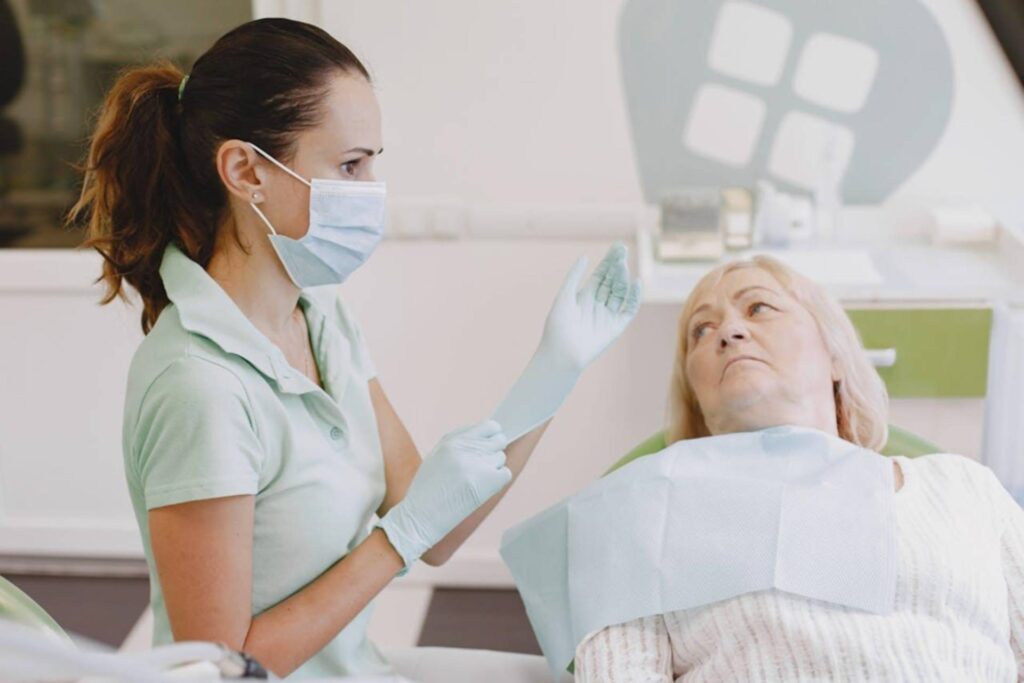
Choosing the right healthcare provider can feel confusing, especially when you are not sure what services each professional offers. Many people still believe that only doctors can diagnose and treat health conditions. However, nurse practitioners play a major role in modern healthcare and provide a wide range of services that support both short-term and long-term health. In Canada, nurse practitioners are highly trained professionals who help patients across the entire healthcare system. They provide direct care, support prevention, and guide patients through managing different health concerns. At NP Health Clinic™, many patients discover that working with a nurse practitioner offers a more personal, supportive, and complete healthcare experience. Understanding what nurse practitioners do and how they can support your health can help you make better decisions and feel more confident about your care. Understanding the Role of a Nurse Practitioner A nurse practitioner is an advanced healthcare provider who combines medical knowledge with a strong nursing background. They begin their careers as registered nurses and then complete additional education and training. This allows them to take on a broader role in patient care. Nurse practitioners can assess patients, diagnose illnesses, order tests, prescribe treatments, and provide ongoing care. They use evidence-based practice, which means their decisions are guided by research, clinical experience, and patient needs. In Canada, nurse practitioners can work independently, but they also collaborate with other healthcare providers. These may include doctors, registered nurses, physiotherapists, and specialists. This team-based approach ensures that patients receive well-rounded care. Nurse practitioners are not only healthcare providers. They are also educators, advocates, and leaders. They take time to teach patients about their health, explain conditions, and guide them toward better lifestyle choices. When You Need More Time and Personalized Care One of the biggest challenges in healthcare today is the lack of time during appointments. Many patients feel rushed and leave without fully understanding their condition or treatment plan. This is where nurse practitioners make a big difference. They often spend more time with patients, allowing for deeper conversations about symptoms, lifestyle, and health goals. This extra time helps them understand the full picture of your health, not just one problem. At NP Health Clinic™, this personalized approach is a key part of care. Patients are encouraged to share their concerns openly. Nurse practitioners listen carefully and ask detailed questions to uncover patterns that may be affecting your health. For example, symptoms like fatigue, headaches, or digestive issues may not have a simple cause. By taking time to explore different factors, nurse practitioners can create care plans that are more accurate and effective. When You Have Ongoing or Chronic Health Concerns Chronic health conditions require long-term care and ongoing support. These conditions can affect daily life and often need regular monitoring and adjustments in treatment. Nurse practitioners are highly skilled in managing chronic conditions such as: Diabetes High blood pressure Asthma Arthritis High cholesterol They do more than just monitor symptoms. They help patients understand their condition and make changes that improve their quality of life. At NP Health Clinic™, care goes beyond routine treatment. Nurse practitioners look at factors such as diet, stress, sleep, and lifestyle habits. These factors can have a strong impact on chronic conditions. For example, managing diabetes is not only about medication. It also involves nutrition, activity levels, and daily habits. Nurse practitioners guide patients through these changes step by step. This approach helps patients feel more in control and supports long-term improvement, not just short-term relief. When You Want Preventive or Holistic Care Preventive care is one of the most important parts of staying healthy. Instead of waiting for illness to appear, it focuses on keeping the body strong and balanced. Nurse practitioners play a key role in preventive care. They provide services such as: Routine check-ups Health screenings Vaccinations Lifestyle guidance At NP Health Clinic™, preventive care is combined with a holistic approach. This means looking at the whole person, not just symptoms. Holistic care considers: Physical health Emotional well-being Lifestyle habits Environmental factors For example, stress and poor sleep can affect many parts of the body. A nurse practitioner will look at these factors and suggest changes that support overall health. Patients also receive education about healthy living. This includes advice on nutrition, exercise, and daily habits that reduce the risk of illness. By focusing on prevention, patients can avoid many health problems and maintain better long-term wellness. When You Need Faster Access to Care Access to healthcare can sometimes take time, especially for non-emergency concerns. Long wait times can delay diagnosis and treatment, which may lead to more serious problems. Nurse practitioners help improve access to care by offering quicker appointments and flexible scheduling. At NP Health Clinic™, patients benefit from timely care without long delays. This means you can address health concerns early, before they become more serious. Common reasons for visiting a nurse practitioner include: New or ongoing symptoms Prescription renewals Follow-up appointments Minor illnesses Getting care at the right time can make a big difference in your health. It reduces stress and helps you feel more in control. When You Need Comprehensive Health Support Nurse practitioners are trained to provide a wide range of healthcare services. Their advanced skills allow them to support patients through many different health needs. At NP Health Clinic™, services include: Full health assessments Diagnosis and treatment of illnesses Lab testing and interpretation Medication management Preventive care Nurse practitioners also explain test results in simple terms. This helps patients understand what is happening in their bodies and what steps to take next. In addition, they provide guidance on lifestyle changes and health management. This ensures that care does not stop after treatment but continues toward long-term improvement. Common Situations Where a Nurse Practitioner Is the Right Choice There are many situations where seeing a nurse practitioner is a great option. Their wide range of skills allows them to handle both simple and complex health concerns. Here are some common situations: Routine check-ups and health exams
Holistic vs Traditional Medicine: Which Is Better for You?
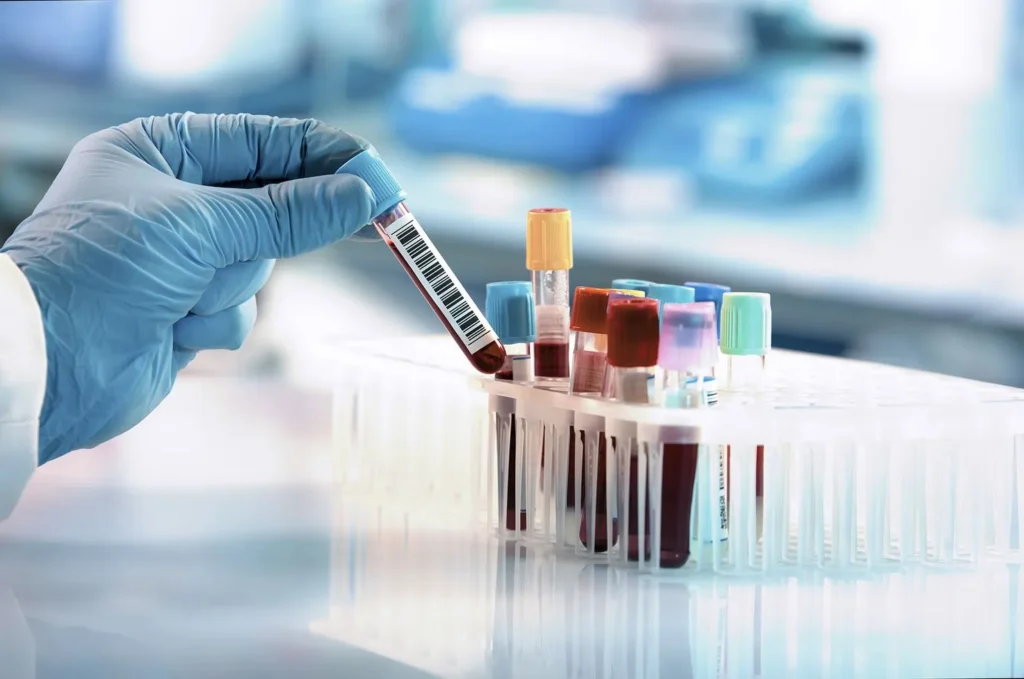
Choosing the right type of care can feel confusing, especially when you’re not getting the answers you need. Many people today are deciding between holistic and traditional medicine, hoping to find a better path to long-term health. Both approaches have value, but they work in very different ways. Understanding these differences can help you make a more informed and confident decision about your care. What Is Traditional Medicine? Traditional medicine focuses on diagnosing and treating specific diseases using standardized methods such as medications, lab tests, and procedures. It is the foundation of the Canadian healthcare system and plays an essential role in managing acute conditions like infections, injuries, and emergencies. Doctors often follow established clinical guidelines to deliver consistent and evidence-based care. This approach is highly effective when fast action is needed, but it can sometimes feel limited for patients dealing with ongoing or complex health concerns. In many cases, the focus remains on symptom control rather than deeper investigation. While tools like traditional medicines and prescriptions are valuable, they may not always address underlying imbalances affecting long-term well-being. What Is Holistic Medicine? Holistic medicine takes a broader view of health by looking at the whole person rather than just isolated symptoms. It considers physical, emotional, and lifestyle factors that may contribute to illness. Instead of focusing only on treatment, it aims to understand why symptoms are happening in the first place and how to restore balance within the body. At NP Health Clinic™, this approach often includes advanced testing, lifestyle evaluation, and personalized care plans. Concepts like medecine holistique emphasize prevention, root-cause investigation, and patient education. Rather than replacing conventional care, holistic medicine works alongside it to provide a more complete picture of health. Key Differences Between Holistic and Traditional Care The main difference lies in how each system views illness and healing. Traditional medicine is often reactive, meaning it responds to symptoms after they appear. Holistic care is more proactive, focusing on prevention and early detection of imbalances before they become serious health issues. Another key difference is the level of personalization. Holistic practitioners often spend more time understanding a patient’s history, lifestyle, and environment. This allows for tailored care strategies rather than a one-size-fits-all approach. While both systems have strengths, combining them can often lead to better outcomes for many patients. Why Many Patients Feel Stuck in the System In Canada, the healthcare system is designed to manage large populations efficiently, which can sometimes lead to shorter appointments and limited follow-up. Patients with chronic symptoms may feel unheard or frustrated when tests come back “normal,” yet they still don’t feel well. This is where a more integrative approach becomes valuable. At NP Health Clinic™, we often meet patients who have already tried traditional routes but need deeper answers. By combining conventional methods with holistic strategies, we can explore underlying causes and create more personalized care plans. Meet the Practitioner Behind Your Care At the heart of NP Health Clinic™ is Andrena McDonald, a nurse practitioner who believes everyone deserves to feel energized, supported, and in control of their health. She focuses on helping patients find the root causes of their symptoms instead of only managing them. Her approach combines traditional medicine with holistic, patient-centered care. This means looking at the full picture of your health, including lifestyle, habits, and underlying imbalances. She created her clinic to offer a space where patients feel heard, receive personalized care, and get real answers that support long-term wellness. A Closer Look at Your Health Journey Imagine your health as a puzzle rather than a single problem. Each piece of nutrition, stress, sleep, hormones, and environment plays a role in how you feel. A photo-friendly way to think about this is a balanced lifestyle scene where every element supports the next. Holistic care focuses on connecting these pieces, while traditional medicine often addresses one piece at a time. By understanding how all aspects of your life interact, you gain better insight into your overall health. This perspective can help guide more effective and lasting solutions. The Role of Nutrition in Holistic Care Nutrition is a key part of holistic health, as what you eat directly affects how your body functions. Understanding what is holistic nutrition involves looking beyond calories and focusing on how food supports digestion, immunity, and energy levels. This approach helps identify patterns that may contribute to symptoms over time. Working with a holistic nutritionist or a holistic health nutritionist can provide guidance tailored to your specific needs. Instead of general advice, you receive recommendations based on your body, lifestyle, and health goals. This level of personalization can make a significant difference in managing chronic conditions and improving overall well-being. Where Traditional Medicine Works Best Traditional medicine remains essential for many aspects of healthcare, especially in urgent or life-threatening situations. It provides quick access to diagnostics, medications, and procedures that can stabilize and treat serious conditions effectively. It is also highly valuable for monitoring diseases, managing infections, and supporting recovery after surgery. While it may not always explore root causes, it offers reliable and structured care. For many patients, it serves as the first step in understanding and managing their health concerns. Where Holistic Medicine Adds Value Holistic medicine becomes especially helpful when symptoms are ongoing or difficult to explain. It looks beyond standard tests and considers factors like gut health, inflammation, and lifestyle habits that may influence how you feel. This approach often includes tools such as advanced diagnostics, targeted therapies, and supportive treatments. Even simple elements like traditional medicinals tea or lifestyle changes can play a role in supporting recovery. By focusing on the bigger picture, holistic care aims to improve both symptoms and overall quality of life. When Should You Consider Both Approaches? In many cases, the best solution is not choosing one over the other but combining both. Integrative care allows you to benefit from the strengths of each system while minimizing their limitations. You have ongoing symptoms without clear answers Your test